
The JSI team was delighted to attend the June 26 event at the YMCA’s Metrowest Outdoor Center in Hopkinton celebrating 250 Snapshots of Farm to School: Connecting the Cafeteria, Community, and Classroom.
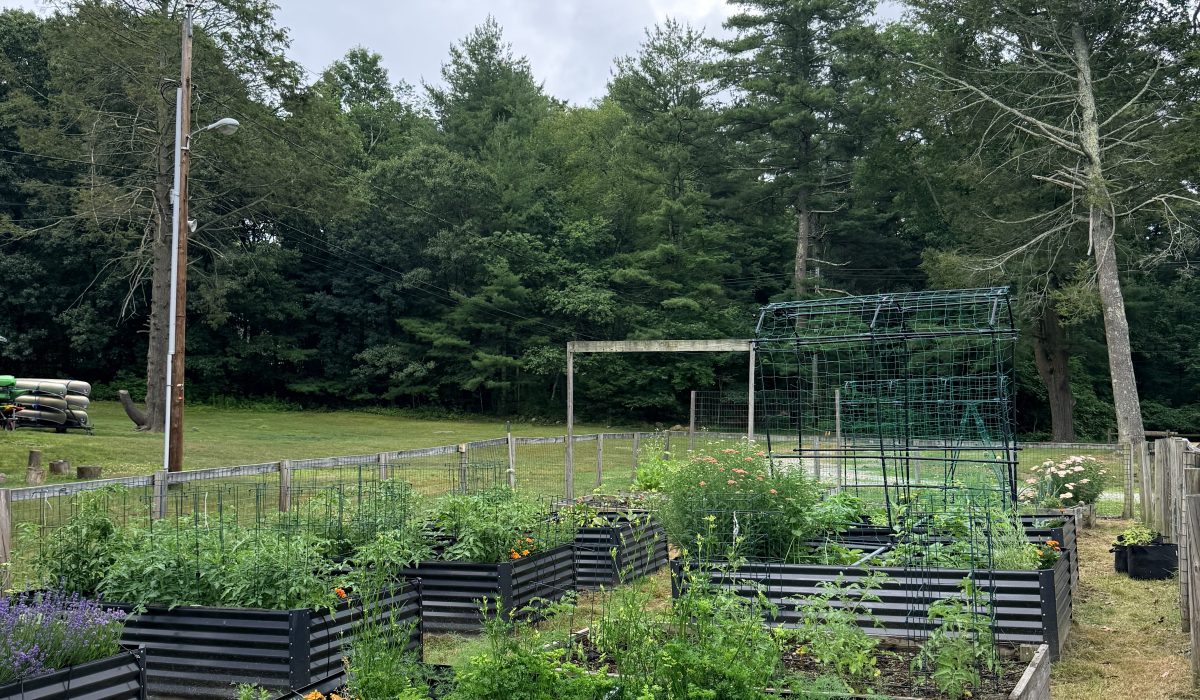
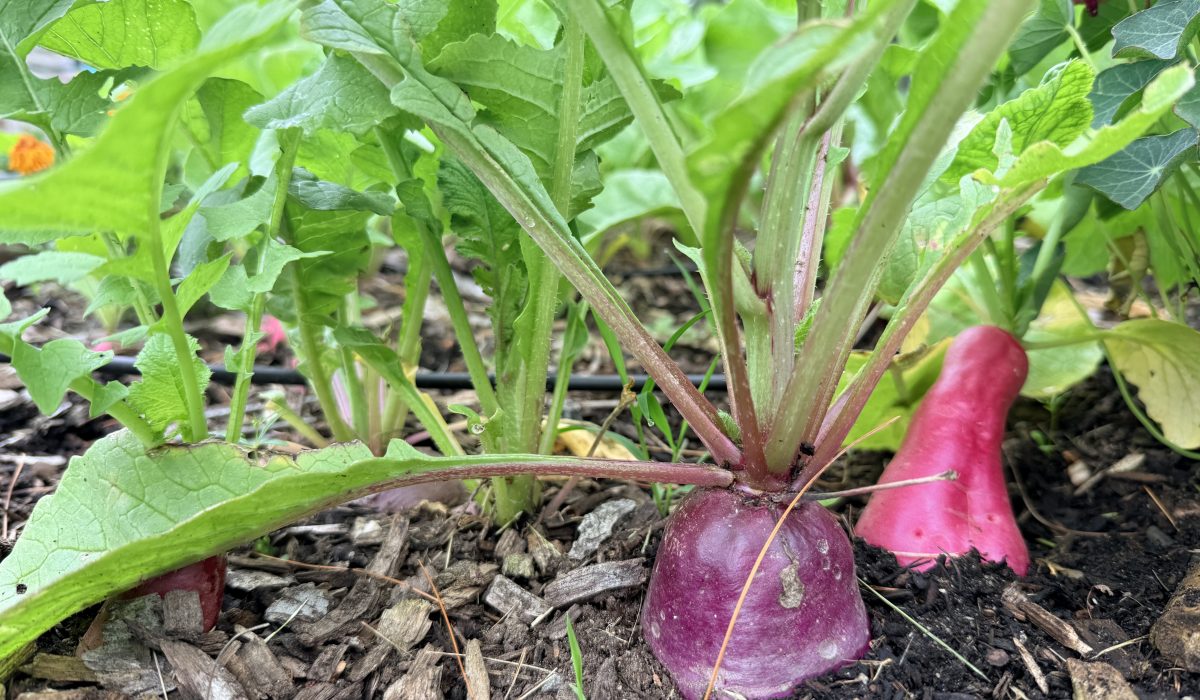
Following opening remarks, YMCA staff led an engaging and informative program showcasing the Y’s Farm to School initiative through an interactive “Garden to Kitchen to Community” tour. The experience highlighted how local food, nutrition education, and strong community partnerships come together to support healthier communities and increase access to nutritious food.
The event also marked the launch of a new website featuring more than 250 snapshots of Farm to School programs from across Massachusetts. The 250+ Snapshots of Farm to School celebrate how students in Massachusetts are connecting with the Commonwealth’s shared agricultural heritage through engaging with the local food system.
Be sure to explore the entire collection and look for contributions from JSI and SWITCH, which are featured in snapshots 186, 198, and 248.
- Snapshot 186: SWITCH (School Wellness Initiative for Thriving Community Health) is a movement dedicated to supporting and advancing wellness efforts for Massachusetts schools and communities. SWITCH’s Massachusetts School Wellness Coaching Program helps districts assess local wellness policies ensuring that policies meet state and federal standards and center local priorities. The program also helps to foster sustainable wellness committees – a committee that connects the members of the cafeteria, classroom and the community to set goals and standards specific to their own district. In SY25-26, there were a few exciting changes to the program, including: 55 program participants – a record high number thanks to the state food literacy funding and support from the MA Department of Elementary and Secondary Education. Also, a new local wellness policy assessment tool was developed which included questions and resources related to nutrition and food system education. The tool was used in the coaching program, where participants were able to set goals and action plans related to connecting the classroom, cafeteria and community.
- Snapshot 198: The Menu Strategy Matrix operationalizes the School Meal Nutrition Standards Commission recommendations by defining six core priorities for school menus statewide. The matrix serves as a roadmap, guiding districts from minimal standards through enhanced practices and toward advanced menus that are student-centered, high-quality, and grounded in the shared values of the school community. The Department of Elementary and Secondary Education is working in collaboration with The John C. Stalker Institute at Framingham State University to support schools in this endeavor through a new chef-led, hands-on culinary session that helps school nutrition professionals bring more local produce into K–12 meals using simple scratch and speed scratch techniques that fit real school kitchen operations. This culinary workshop features 10 new Massachusetts Harvest of the Month recipes.
- Snapshot 248: In April 2026, The John C. Stalker Institute of Food & Nutrition (JSI) at Framingham State University debuted a new, hands-on culinary workshop featuring 10 new Massachusetts Harvest of the Month recipes to bring more local produce into K–12 meals using simple scratch and speed scratch‑ techniques that fit real school kitchen operations. To strengthen ties between cafeteria and classroom, JSI is also collaborating with Pilot Light, the Massachusetts Department of Elementary and Secondary Education, and the School Wellness Initiative for Thriving Community Health to develop a 7-lesson classroom curriculum, aligned to the Massachusetts Comprehensive Health and Physical Education Framework practices and standards, for grades K-2 and 3-5 highlighting the same Massachusetts Harvest of the Month crops.
Be sure to check out the news release about the event and to explore the map to find out what’s happening in your area.