Culinary Boot Camp 2026: Building Skills, Confidence, and Flavor

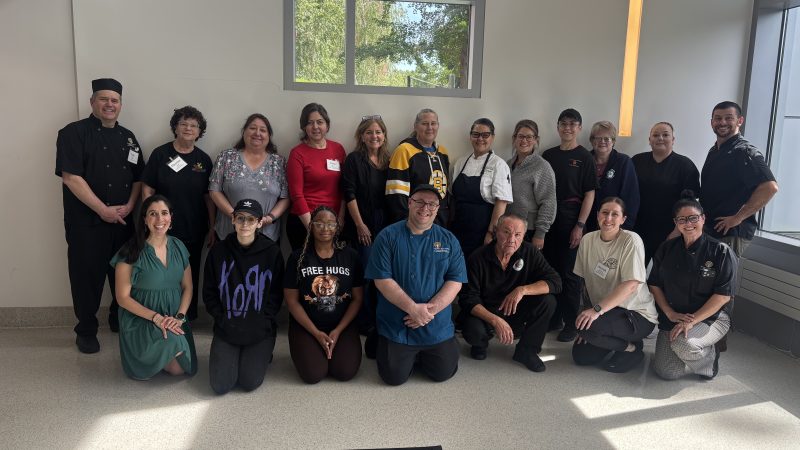
Chefs, staff, and participants pose for a group photo against a white wall with a large window, with some standing in the back row and others kneeling in the front, with a black rug in front of them.
Group Photo from the 2026 Culinary BootCamp!
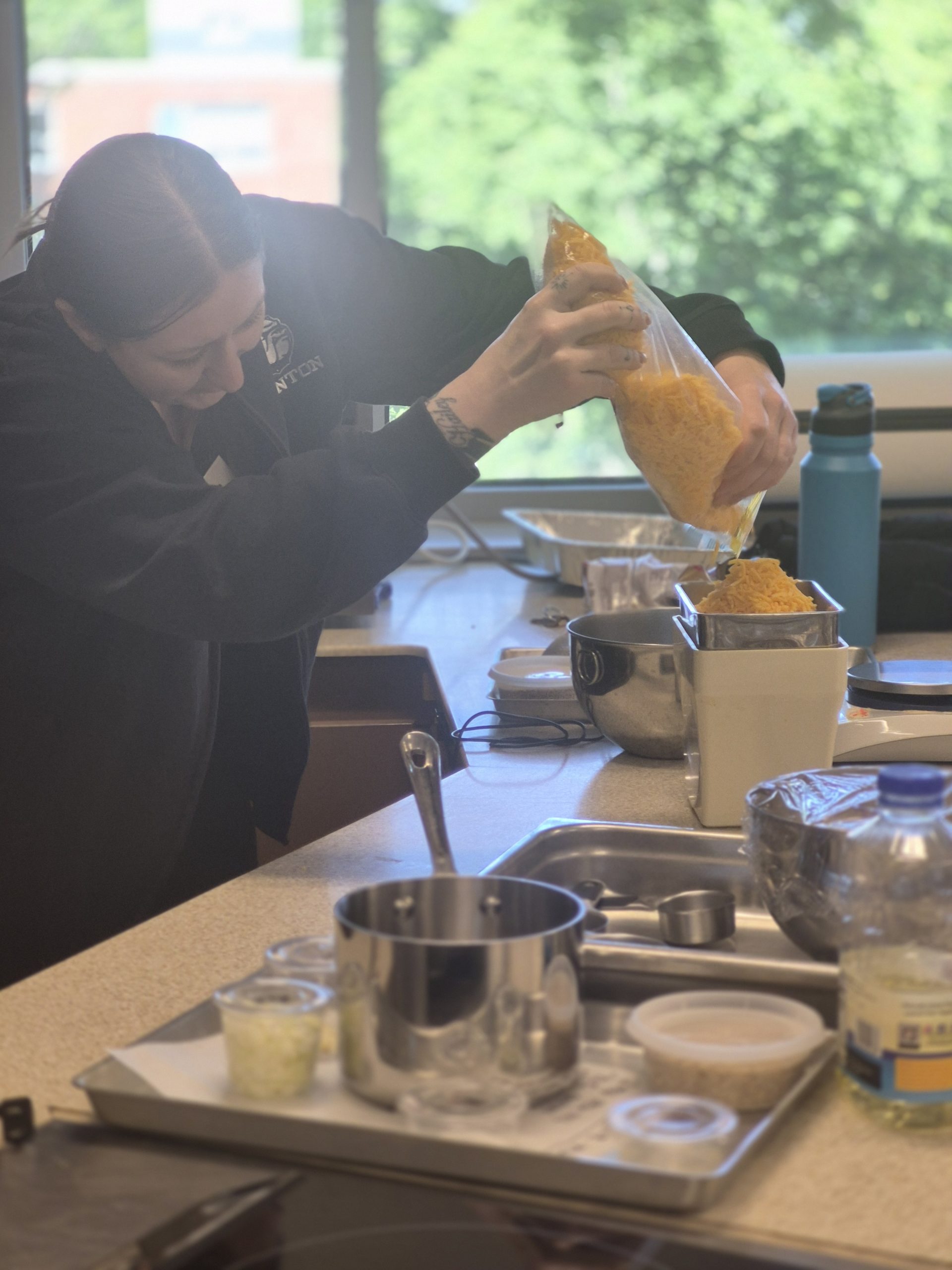
A woman holding a clear bag of yellow shredded cheese pouring it onto a tall scale on a white table with other kitchen appliances on it.
Kitchen Staff Measuring Cheese.

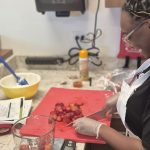
The John C. Stalker Institute held a Culinary Boot Camp from June 1–5, where school nutrition staff from CECAP districts gathered at Framingham State University for a hands-on week of culinary training. Both ICN and JSI Chefs guided participants through various labs and topics, ranging from knife skills, to produce, grains, meats/meat alternates, using scratch-cooking techniques, along with deeper exploration of how to build bold, balanced flavor that appeals to a wide range of student tastes. These experiences helped participants refine their skills and expand their culinary creativity, while preparing several standardized recipes each day!
Learning From Student Feedback to Elevate Flavor

One of the most valuable conversations of the week focused on investigating student feedback in a more meaningful way. Staff looked at how to move beyond common reactions like “I don’t like that,” “that was yummy,” or “I love it,” and instead pinpoint what students are responding to — whether a dish needs more acid, aromatics, natural sweetness, or seasoning. A flavor-development lab brought this to life, led by Chef Chela Cooper from the Institute of Child Nutrition (ICN), who showed how small adjustments can dramatically brighten and deepen a dish’s flavor. Participants also explored how different herbs share overlapping notes — like the citrusy lift of cilantro versus the cooling quality of mint — and how subtle differences can shift a dish in completely new directions.

This sparked thoughtful discussion about how simple, intentional tweaks can turn a decent recipe into one that students genuinely crave. Teams also practiced improvising in real kitchen scenarios — including making fresh chicken stock when realizing they were out of the premade variety — reinforcing the flexibility and adaptability needed in busy school kitchens. These hands-on moments helped participants connect flavor science, student insight, and real-world problem-solving in a way that will translate directly back to their own districts.

Team Collaboration & New Menu Ideas

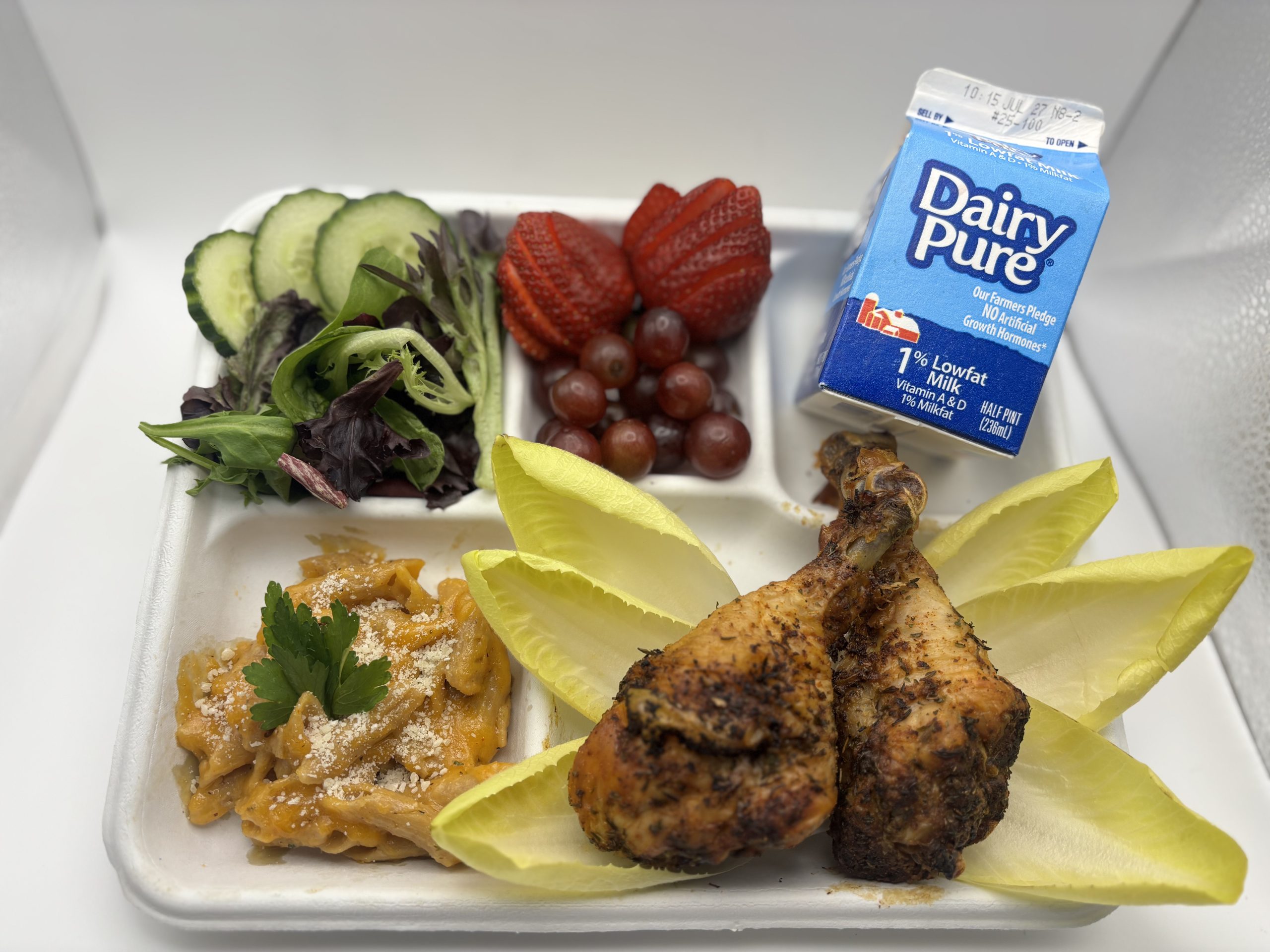
A school lunch tray with dairy pure milk, red grapes and cut strawberries, a salad with cucumbers, and ziti noodles in an orange sauce topped with cheese and cilantro, accompanied with 2 brown seasoned drumsticks on top of 6 endive leaves.
Creative Display of a Chicken Drumstick Tray

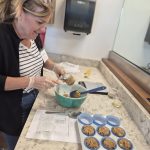
Throughout the week, teamwork was a standout highlight. Participants worked together to prepare recipes, share ideas, compare techniques, and discuss how these menu inspirations and practices could fit into their own kitchens and school districts. A new ingredient available to school districts — Coastal Queen Milling Company’s River Valley Muffin Mix — gave teams the chance to experiment with both sweet and savory variations. These low-sugar, locally-sourced muffins sparked conversations about scratch-made breakfast options, snack service, and creative ways to incorporate whole grains.
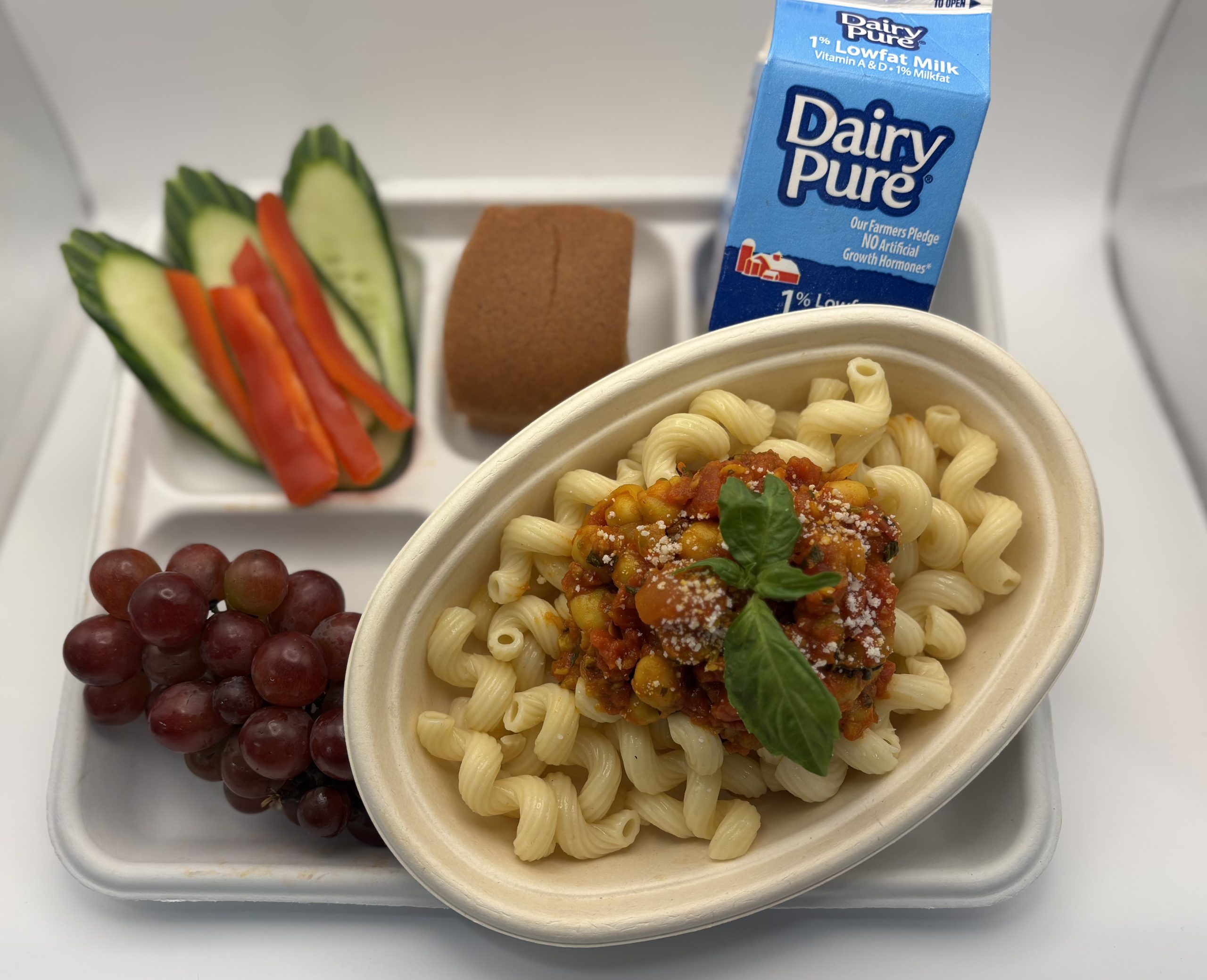
A bowl of pasta with a red sauce containing chickpeas, topped with basil next to red grapes, pieces of cucumbers and red peppers, a bread roll, and dairy pure milk, all on a lunch tray.
Pasta with Chickpea Sauce Tray

In addition, new this year to the boot camp training was a lab focused on tray presentation and food photography. Participants partnered with one another to plate beautiful arrangements of school lunch or breakfast meals and practiced taking the best photo to showcase their efforts. This provided everyone with the opportunity to evaluate presentation techniques and understand the impact a picture makes on the reputation of school meals.

By the end of the week, attendees left with 36-hours of professional development, stronger culinary foundations, and practical strategies to elevate scratch-cooked meals for students across Massachusetts!

Pin It on Pinterest

Share This